

Find Relief From Spinal Stenosis Pain
One of our patients (let’s call her Sally) was in her late 60s when she started to experience numbness and weakness in her legs. While she’d been diagnosed with osteoarthritis of the back a few years earlier, she’d never experienced these symptoms before.
Unfortunately, the combination of these new symptoms with her osteoarthritis pain was really impacting her quality of life. She struggled to walk and found that the new symptoms lessened when she sat down–making it much harder for her to stay active, which was crucial in managing her OA pain.
Eventually, Sally reached out to us at ProAction Physical Therapy, as we had helped address her osteoarthritis symptoms. There, she learned that she had developed spinal stenosis, a narrowing of the spinal canal.
The good news is that physical therapy helped manage her spinal stenosis symptoms, just as it helped manage her OA symptoms. With a comprehensive pain management program and some adjustments to her exercise plan, Sally was active and thriving once again.

What Exactly Is Spinal Stenosis?
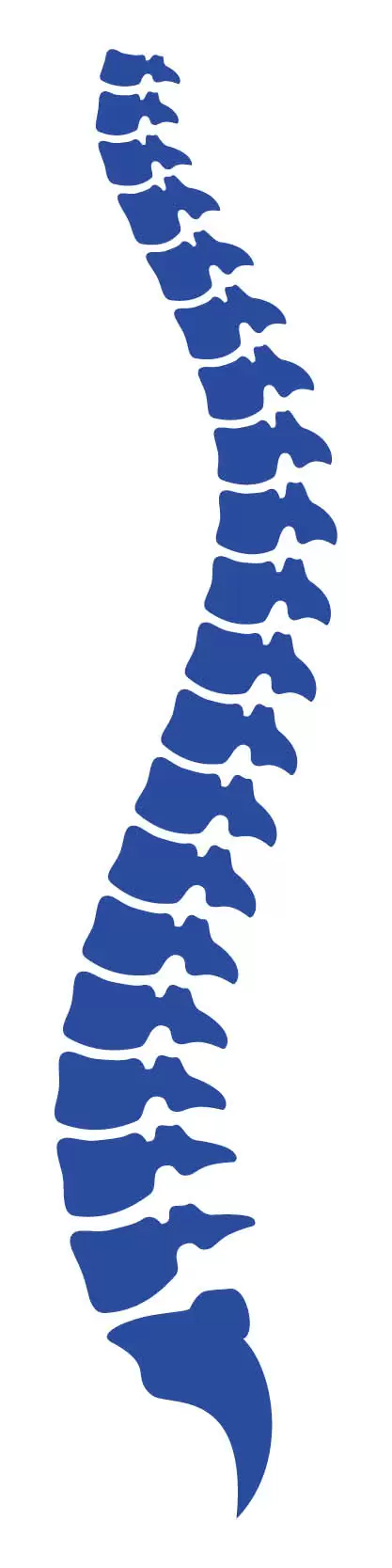
Your spine is made up of several vertebrae stacked on top of each other. Each of these vertebrae is hollow in its center, forming your spinal canal–a column through which your spinal cord runs.
Spinal stenosis occurs when a section of the hollow space in your vertebrae narrows. This puts pressure on your spinal cord and causes your symptoms.
Spinal stenosis can develop anywhere in your spine, but most people will develop it in their cervical spine (neck) or lumbar spine (lower back). Your symptoms will vary based on which part of your spinal column has narrowed.
Symptoms of Cervical Spinal Stenosis
- Neck pain
- Numbness and tingling that radiates from your neck and down into your arms, wrists, and hands
- Weakened arm or hand strengths
Symptoms of Lumbar Spinal Stenosis
- Lower back pain
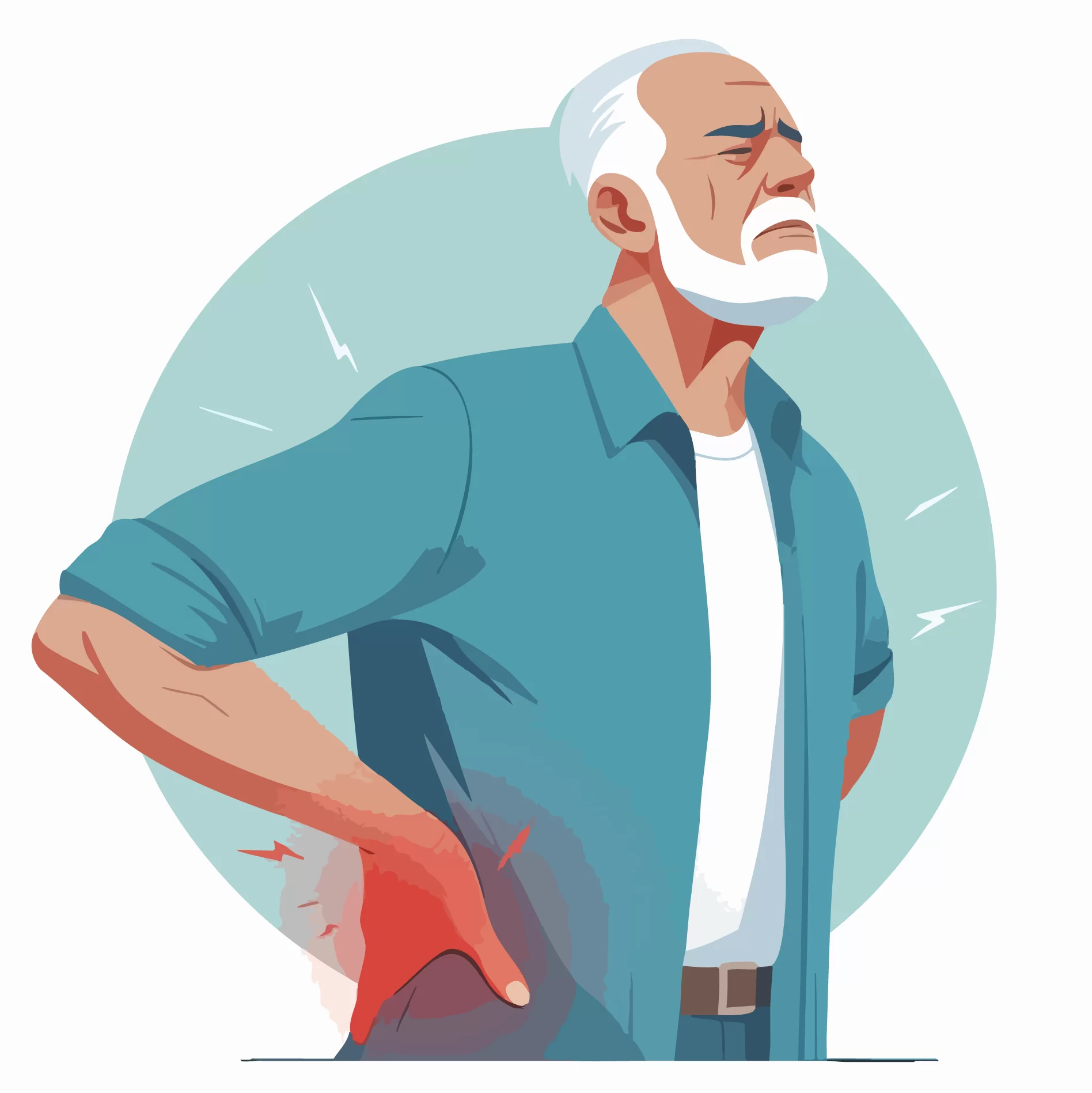
- Burning or aching pain that radiates down into your legs and worsens when you’re standing up
- Numbness or tingling of the legs and feet that, again, worsens when standing
- Weakness in your lower extremities
Spinal stenosis can develop for a variety of reasons. Perhaps the most common is simply aging. Your spinal structure changes as you get older, and those changes can lead to the compression that closes in on the spinal cord.
Osteoarthritis, itself a degenerative condition, can also contribute to spinal changes that lead to spinal stenosis, including the development of bone spurs on the spine.
However, other conditions can contribute to spinal stenosis, too, including spinal injuries and bone diseases.
Relieving Spinal Stenosis Symptoms with Physical Therapy
Like other degenerative conditions, spinal stenosis can’t be cured–but, as Sally discovered, you can manage your symptoms and live a rich, active life. Physical therapy at ProAction Physical Therapy helps you get there.
We’ll work closely with you to develop a personalized treatment plan that addresses your unique needs and goals. The details of every plan will vary, but we employ therapeutic exercise as a base–movement is one of the best ways to manage spinal stenosis discomfort.
Here’s what might be included in your plan:
- Postural Adjustments: We’ll show you movements or postural corrections that can help relieve pressure from your spine, minimizing discomfort.
- Pain Management Techniques: We can also help with immediate pain relief using manual therapy and/or pain-relieving modalities.
- Mobility Work: Gentle stretches can help improve the range of motion in your back, arms, and legs.
- Strength-Training: Building strength throughout your trunk and extremities helps support and stabilize your spine, removing pressure from the impacted area.
- Aerobic Exercise: Finally, we’ll help you develop a tailored exercise program that will help ease you back to regular physical activity (like walking).
- Braces or Other Adaptive Equipment: For some people, a back brace will help support the spine, allowing you to move and exercise more easily. People with extremely weak core muscles may benefit from temporary or limited use to help with daily function while building their strength.
Suspect Spinal Stenosis? Make Your Appointment Today
Because spinal stenosis resembles other age-related conditions, it’s essential that you undergo a comprehensive exam to confirm what exactly is causing your discomfort. The ProAction Physical Therapy therapists will discuss your health history and symptoms before conducting several movement screens to confirm your diagnosis.
So, if you’ve been struggling with spinal pain and radiating numbness, call us for an appointment. We’ll dig down to the root cause of your symptoms–and help you find lasting relief.
Return to PT at ProAction Physical Therapy!
Miss feeling your best? Come back to ProAction Physical Therapy and let us help you get there—schedule your appointment today!

Share Your Success Story
Love your experience with ProAction Physical Therapy? Click the button to leave us a Google review—your feedback helps others find the care they need!
Follow Us on Social Media!

How To Have a Great Summer–PT Style!
The days are getting longer, the air is getting warmer, and school is winding down. That means one thing: summer is on its way! Here are some tips to ensure a healthy summer for you and your family:
Drink plenty of water. While you should strive to stay hydrated all year round, it’s particularly important in warmer weather.
Ease back into summer activities gradually: Whether you’re hitting the pool more frequently or taking more evening walks thanks to the later sunsets, avoid doing too much too soon. Start slow, don’t push too hard, and remember to warm up first.
Don’t skip your PT sessions. We know summer’s busy. But keeping up with your physical therapy will help you stay active and pain-free throughout the season–and beyond!
Ready to make the most of the summer months? Schedule an appointment with ProAction Physical Therapy today!
Skip The Script!
Have you suffered from a recent injury?
Good news! Thanks to Direct Access you can now bypass obtaining a script from your physician and come directly to physical therapy.
Direct Access allows you to visit a physical therapist to seek treatment right away as many conditions can be successfully evaluated and treated without expensive medical tests.
Contact us directly here at ProAction PT
to get started today!
Farro Salad with Herbed Balsamic Vinaigrette
Ingredients:
- 1 cup pearled emmer wheat farro
- 5 ounces baby spinach leaves
- 1 medium avocado, diced
- 1 cup cherry tomatoes, halved
- 1/2 cup quartered artichoke hearts
For the Dressing - 1/4 cup balsamic vinegar
- 1/4 cup olive oil
- 1/4 cup water
- 2 tablespoons maple syrup
- 2 garlic cloves, minced
- 1/4 cup fresh parsley
- 1/4 cup chopped chives
- 2 tablespoons fresh thyme leaves
- 1/2 teaspoon salt, or to taste
- 1/4 teaspoon black pepper, or to taste
Directions:
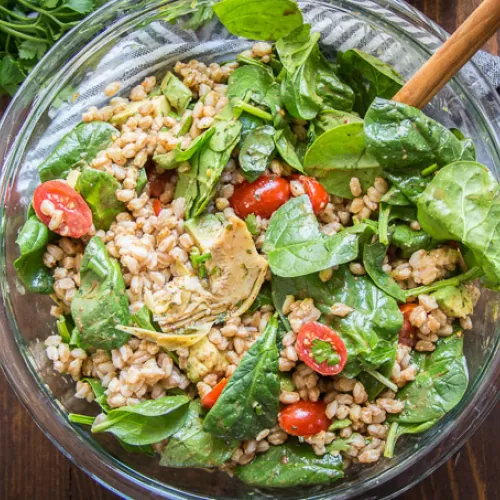
Bring a large pot of salted water to a boil. Add the farro and allow it to cook at a rolling boil While the farro cooks, make the dressing. Place all ingredients into a blender and blend until smooth. Taste-test and add more salt or adjust any seasonings to your liking. After the farro has boiled for about 15 minutes, remove a couple grains and test them for doneness. The farro should be tender with a bit of chewiness when done, but cook it until it’s as firm or soft as you like. The cook time should be in the range of 15 to 20 minutes. When the farro is done cooking, drain it into a strainer. Let the farro sit in the strainer for a few minutes to cool. Place the cooked farro into a large mixing bowl, along with the spinach, avocado, cherry tomatoes, and artichoke hearts. Drizzle the dressing over the salad (use as much as you like) and toss to coat. Season the salad with salt and pepper to taste.
An Overview of Age-Related Spinal Conditions
Getting older brings plenty of bodily changes, especially in your spine–and keeping track of them all can be difficult. Today, the ProAction Physical Therapy physical therapists want to share a quick cheat sheet to help you understand the various spinal conditions that can cause back pain and immobility as you age.
• Degenerative Disc Disease: Degenerative disc disease (DDD) isn’t really a disease. It’s a name for the structural changes that occur in your spine’s intervertebral discs as you get older. These discs cushion and protect your spine’s vertebrae and will dry out over time. While this process happens to most people, not everyone necessarily experiences pain. DDD can also contribute to herniated discs.
• Osteoarthritis/Spondylosis: Osteoarthritis (OA) is a form of arthritis that occurs when the cartilage in a joint breaks down, causing the bones to rub together and leading to pain and stiffness. OA can occur in any joint in the body, but when it appears in the spine, it’s also known as spondylosis.
• Spinal Stenosis: Spinal stenosis occurs when the spinal canal narrows around your spinal cord or the canals where the nerves exit the spine narrow, causing pain and radiating numbness.
• Osteoporosis: The other age-related “osteo” condition is a bone disease that occurs when your bone density decreases, which weakens your bones. It doesn’t cause symptoms in and of itself, but it does increase the likelihood of suffering fractures, including in your spine.
Feeling overwhelmed? Don’t worry! In many cases, physical therapy can help prevent and manage these conditions. To learn more, call ProAction Physical Therapy to schedule an appointment.
Our Patients Get Great Results
“I highly recommend. They spend the time with you explaining what they are doing, why they are doing it and what to expect through the recovery. They are very professional while adding a touch of family like atmosphere.”
– Scott K.
Thank You for Subscribing to ProAction Physical Therapy
Refer a Friend

Our purpose at ProAction Physical Therapy is to leave a greater impact on the communities around us. In order to do that, we want to change as many lives as possible and become a beacon of positivity in our communities.
Do you have a friend or family member who could benefit from our pain-relieving services? At ProAction Physical Therapy, we love helping people achieve relief from pain and reach their full potential, thus making a difference in their lives.
If you know someone who could use our help, click the button below to fill out our form and we will send them information about how we may be able to help their condition. Be sure to let them know you referred them so they can thank you!