
Physical Therapy Can Help You Resolve Unwanted Knee Pain
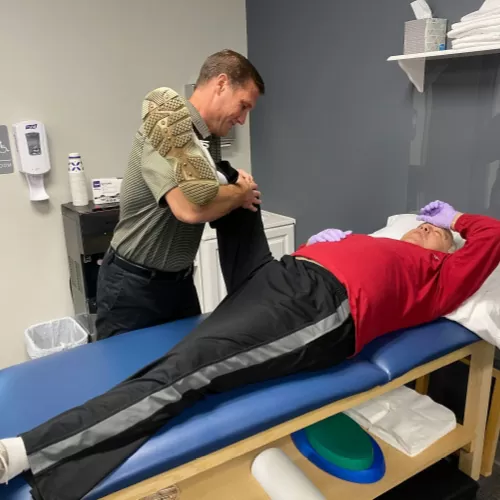
Knee pain is a common complaint that affects people of all ages, often hindering their ability to perform everyday activities and enjoy a high quality of life. Whether resulting from injury, arthritis, or overuse, knee pain can be debilitating.
Fortunately, physical therapy at ProAction Physical Therapy offers hope for those seeking relief. This article shares the journey of Alex, a 40-year-old marathon runner, who found relief from persistent knee pain through the expert care of our skilled therapists.
The Onset of Pain
Alex’s passion for running was undeniable. Completing several marathons each year, he was no stranger to the physical demands of long-distance running. Unfortunately, Alex began experiencing sharp pains in his right knee, particularly during and after runs. Initially dismissing it as regular wear and tear, he soon realized the pain was not subsiding but worsening with time.
Seeking Help
After several weeks of persistent pain, Alex knew he needed professional help. His search for a solution led him to ProAction Physical Therapy, known for our team of experienced physical therapists specializing in sports injuries. From the moment he walked in, Alex felt a sense of hope. The clinic’s approach was about alleviating pain, understanding its root cause, and preventing future issues.
The Physical Therapy Journey Begins
Alex’s journey began with a comprehensive assessment that included a detailed discussion of his running habits, knee pain history, and a physical examination to assess his knee’s strength, flexibility, and alignment.
Our clinic’s expertise in sports injuries came to the forefront with a detailed analysis of Alex’s running gait. His therapist identified several inefficiencies in his running form contributing to his knee pain.
His therapist determined Alex was dealing with patellofemoral pain syndrome (PFPS), a common issue among runners characterized by pain around the kneecap. His therapist explained that Alex’s pain was likely due to a combination of overuse, improper running technique, and muscular imbalances.
Tailored Treatment Plan
Understanding the specifics of Alex’s condition, the therapist devised a personalized treatment plan. The multifaceted plan addressed Alex’s knee pain symptoms and underlying causes.
Manual Therapy
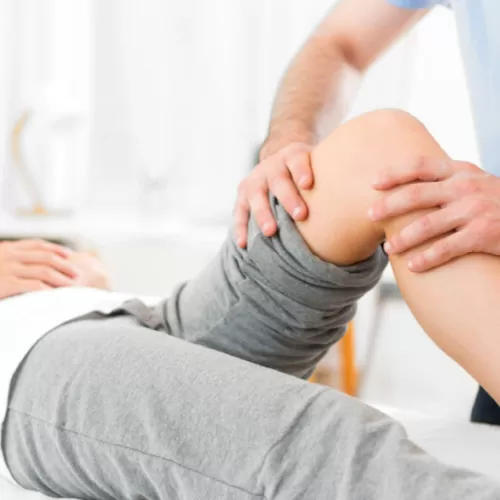
Alex’s treatment started with manual therapy. His therapists used hands-on techniques to free up restrictions and tension in the soft tissues around his knee. This approach helped reduce Alex’s pain and increase his range of motion, setting a solid foundation for further therapeutic interventions.
Strengthening Exercises
Recognizing the importance of muscular support for knee stability, Alex was guided through a series of strengthening exercises focused on building up the muscles around his knee, particularly the quadriceps and hamstrings. These exercises were designed to absorb shock more effectively, reduce the burden on his knee during runs, and prevent future injuries.
Motor Control Exercises
To address any dysfunctional movement patterns contributing to Alex’s knee pain, the therapists introduced motor control exercises. These exercises aimed to correct his movement patterns, ensuring that he adopted more efficient movement strategies during running and daily activities, thereby reducing strain on his knee.
Education and Preventive Strategies
Beyond immediate treatment, education played a vital role in Alex’s therapy. He learned the importance of proper footwear, adequate warm-up and cool-down routines, and strategies to gradually increase running distances without overloading the knees.
The Road to Recovery
Alex’s dedication to physical therapy paid off as he noticed a significant reduction in knee pain, improved running efficiency, and a newfound awareness of protecting his knees from injury. The holistic approach at ProAction Physical Therapy addressed Alex’s pain and equipped him with the knowledge and tools to maintain knee health in the long run.
But Alex’s journey was about more than just overcoming knee pain. It was a transformative experience that reshaped his relationship with running. He emerged from physical therapy as a runner and an informed athlete, mindful of his body’s signals and the importance of balance in training.
Conclusion: A Testament to the Power of Physical Therapy
Alex’s story is a testament to the effectiveness of physical therapy in resolving unwanted knee pain. At ProAction Physical Therapy, the combination of expert assessment, personalized treatment, and a commitment to patient education proved to be a winning strategy.
Alex’s journey offers hope and inspiration for anyone struggling with knee pain. If you’re dealing with knee pain, call our team and schedule a consultation today!

Return to PT at ProAction Physical Therapy!
Miss feeling your best? Come back to ProAction Physical Therapy and let us help you get there—schedule your appointment today!

Share Your Success Story
Love your experience with ProAction Physical Therapy? Click the button to leave us a Google review—your feedback helps others find the care they need!
Follow Us on Social Media!
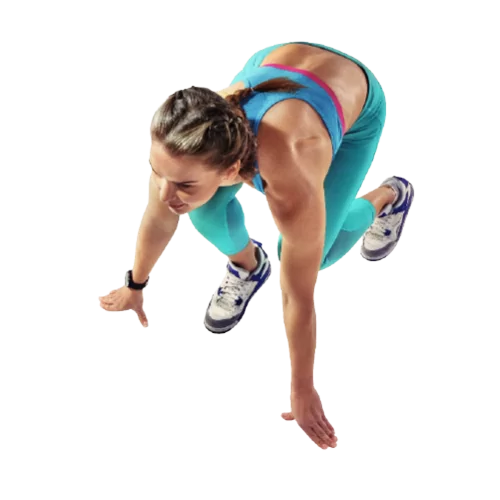
Debunking the Myth That Running Causes Osteoarthritis
Osteoarthritis (OA) is a degenerative joint disease characterized by the breakdown of cartilage in the joints, leading to pain, stiffness, and impaired mobility. While there is a common misconception that running contributes to the development of OA, numerous studies have shown this to be a myth.
Running has various health benefits, including improved cardiovascular fitness and weight management, which support joint health. In addition, movement, including running, helps keep the cartilage in the knee healthy.
Research has highlighted other factors that are contributors to the development of knee OA:
- Age: Aging is the most significant risk factor for OA. As individuals age, the cartilage in their joints naturally undergoes wear and tear, making them more susceptible to degeneration.
- Genetics: Genetic factors play a crucial role in determining an individual’s susceptibility to OA. Certain genetic variations have been associated with an increased risk of developing OA in various joints, including the knee.
- Previous joint injuries: Previous knee injuries, such as ligament or meniscus tears, can predispose individuals to OA later in life. The trauma from these injuries can accelerate the degenerative process in the affected joint.
- Obesity: Excess body weight places additional stress on the knee joints, leading to accelerated cartilage breakdown and an increased risk of developing OA. Maintaining a healthy weight through regular exercise and a balanced diet can help reduce the risk of OA.
- Joint misalignment or instability: Abnormalities in joint structure or function, such as malalignment or instability, can lead to uneven distribution of forces within the knee joint, contributing to cartilage degeneration and OA development.
The bottom line is that running does not cause knee OA. At ProAction Physical Therapy, our therapists understand the risk factors associated with knee arthritis and will provide programs to preserve your joint health and reduce the burden of OA so you can keep running!
Skip The Script!
Have you suffered from a recent injury?
Good news! Thanks to Direct Access you can now bypass obtaining a script from your physician and come directly to physical therapy.
Direct Access allows you to visit a physical therapist to seek treatment right away as many conditions can be successfully evaluated and treated without expensive medical tests.
Contact us directly here at ProAction PT
to get started today!
Kayaking and Paddleboarding with a Healthy Twist
For a safe and body-friendly kayaking or paddle boarding experience, keep these practical strategies in mind:
- Mindful Paddling: Prioritize good posture and technique. Engage your core, maintain a straight back, and use your legs to generate power. This distributes the effort evenly, reducing strain on your shoulders and back. Using proper form enhances your performance and safeguards against overuse injuries.
- Full-Body Effort: Think of kayaking and paddleboarding as whole-body workouts. Involve your legs, core, and back in every stroke, not just your arms. This balanced approach lessens the risk of muscle imbalances and discomfort.
By incorporating these principles into your water adventures, you’ll have a blast on the water and take care of your body. Kayaking and paddleboarding can be both enjoyable and body-friendly when you paddle smart.
Summer Watermelon Feta Salad
Ingredients:
- 4 cups watermelon, cubed and chilled
- 1 cup cucumber, thinly sliced
- ½ cup crumbled feta cheese
- ¼ cup red onion, thinly sliced
- 2 tablespoons fresh mint, chopped
- Juice of 1 lime
- 1 tablespoon olive oil
- Salt and pepper to taste
Optional Add-ins: - Grilled shrimp or chicken for protein
- Avocado slices for healthy fats

Directions:
In a large bowl, combine watermelon, cucumber, red onion, and mint. Drizzle with lime juice and olive oil. Toss gently to combine. Top with crumbled feta. Season with a pinch of salt and pepper. Chill for 10–15 minutes before serving.
Why It’s Great:
- Super hydrating for hot days
- Packed with electrolytes and vitamins
- Quick and easy to make for BBQs, post-run recovery, or light lunches
Our Patients Get Great Results
“I started working with Bill a couple of months ago. At first I could not walk without leaning to my left, I could not bend in any direction and stand for more than 5 minutes at a time. I was in constant pain regardless of body position. The back support belt was on me at all times and I used a cane. My pain level would fluctuate from 5-10 and would never go away. Many times I would find myself crawling on all fours in severe pain. I have worked with pain relief doctors, chiropractors, and massage therapists and none of them could get me out of pain.
Working with Bill has changed my life and the improvement is nothing short of a miracle. It only took three weeks of following an exercise routine and I was in much better shape. I could walk, bend and sleep much better and with almost no pain. I went back to my passion- bird photography, which was impossible for me to do for almost a year. Bill is passionate about his work and truly cares about his patients and it shows. He will dedicate the time needed to help you and will not stop until you feel better. I am glad I connected with Bill and I am truly grateful for all of his help, attention to my needs and professionalism. I highly recommend ProAction.
If you want to get back to normal and enjoy your life again like I did, put yourself in Bill’s hands. He is a difference maker.”
– Scott B.
Thank You for Subscribing to ProAction Physical Therapy
Refer a Friend

Our purpose at ProAction Physical Therapy is to leave a greater impact on the communities around us. In order to do that, we want to change as many lives as possible and become a beacon of positivity in our communities.
Do you have a friend or family member who could benefit from our pain-relieving services? At ProAction Physical Therapy, we love helping people achieve relief from pain and reach their full potential, thus making a difference in their lives.
If you know someone who could use our help, click the button below to fill out our form and we will send them information about how we may be able to help their condition. Be sure to let them know you referred them so they can thank you!