

Five Myths about Arthritis Pain (And One That Might Be True)

Arthritis is a common condition affecting about 20% of the US population. Despite this fact — or perhaps because of it — myths and misconceptions surrounding arthritis abound. Unfortunately, many of these myths can contribute to more pain and a decreased quality of life for people struggling with the condition.
At ProAction Physical Therapy, we want to help dispel some of these myths. By understanding the intricacies of arthritis, you can better manage your symptoms and live a full, active life.
Keep reading to find out some surprising facts about arthritis. And if you’d like to learn more about the role of physical therapy in arthritis management, call our clinic to schedule an appointment today!
Myth 1: There’s Only One Type of Arthritis
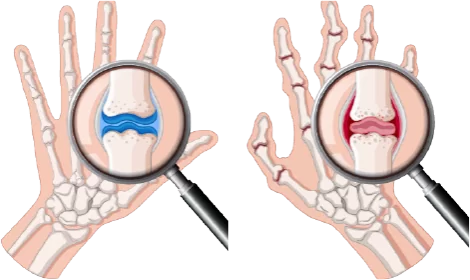
We often talk about arthritis as if it’s one condition, but the word actually refers to over 100 distinct conditions, all of which cause inflammation in the joints. The most common type of arthritis worldwide is osteoarthritis, a degenerative form primarily affecting older people. Because it’s so common, people sometimes use “arthritis” and “osteoarthritis” interchangeably, but they are two distinct terms.
It’s important to recognize the different types of arthritis because they can cause slightly different symptoms and complications. For example, rheumatoid arthritis (the second most common form of arthritis) is an autoimmune condition that can cause fatigue and fever alongside painful joints.
Myth 2: All Joint Pain is Some Type of Arthritis
Actually, there are many reasons why someone might experience joint pain. Overuse injuries, ligament tears, and bursitis can all trigger pain and restricted mobility in your joints.
If you’re struggling with persistent pain in a joint, your best bet is to schedule an appointment at ProAction Physical Therapy. Our physical therapists will perform a comprehensive assessment and can let you know for certain what’s causing your symptoms.

Myth 3: Arthritis Pain is a Normal Part of Aging
Because the most common form of arthritis primarily affects older people, many assume that arthritis pain is an inevitable part of growing older. In reality, 53% of adults aged 65 or older haven’t been diagnosed with arthritis. Even among people 80 or older, around 43% don’t have a diagnosis.
Age is certainly connected to arthritis, particularly osteoarthritis, but you have options for preventing its development. Furthermore, developing arthritis doesn’t necessarily mean you have to suffer.
Myth 4: There’s Nothing You Can Do About Arthritis Pain
Along with Myth #5, this is one of the biggest myths out there. While it’s true the most common types of arthritis have no cure, you can manage your symptoms and delay the condition’s progression — all without surgery, too!
Physical therapy is one of your options. We can help you manage your pain through manual therapy and therapeutic exercise. Diet also plays a role; eating a healthy diet rich in fruits, veggies, and whole grains can help minimize joint inflammation.
Myth 5: You Shouldn’t Exercise If You Have Arthritis
Of all the arthritis myths, this is probably the one that has done the most damage. While it might seem logical on the surface, especially if you have osteoarthritis, exercise and movement actually protect you against arthritis pain!
Staying active can help prevent arthritis from developing in the first place. But if you’ve already developed the condition, regular physical activity is essential in reducing your pain and mobility restrictions.
The key is to ensure you perform low-impact activities that don’t put too much stress on your joints. The team at ProAction Physical Therapy can help you find the right exercise program to suit your needs.
Myth 6: Weather Changes Cause Arthritis Pain
Surprisingly, this myth might have some truth to it. While weather doesn’t cause arthritis pain, studies show that some rheumatoid arthritis patients experience slightly increased symptoms in cooler weather.
Separate Truth From Fiction with ProAction Physical Therapy
Our team is here to help you manage your arthritis pain. We’ll let you know what works, what doesn’t, and help you find a customized solution that meets your needs.
Call to make your appointment today!
Return to PT at ProAction Physical Therapy!
Miss feeling your best? Come back to ProAction Physical Therapy and let us help you get there—schedule your appointment today!

Share Your Success Story
Love your experience with ProAction Physical Therapy? Click the button to leave us a Google review—your feedback helps others find the care they need!
Follow Us on Social Media!

Innovative Approaches to Physical Wellness this Thanksgiving Season
Thanksgiving is more than just a day of feasting; it’s a time to come together and celebrate what we’re thankful for. While traditional advice often emphasizes the basics, let’s elevate your approach to physical well-being this season with these cutting-edge tips:
- Dynamic Warm-Up Before the Turkey Trot: If you’re planning a Thanksgiving morning run or family games, forget old-school stretching. Use a dynamic warm-up to prep your muscles and boost your range of motion.
- Text Neck Prevention: As we catch up on social media or text friends and family Thanksgiving wishes, “text neck” can be a real issue. Counteract this by sitting tall or not at all and doing neck stretches every hour.
- Mindfulness Through Movement: Instead of sitting to meditate or relax, try combining mindfulness with gentle movements like Tai Chi or a light stroll through the neighborhood.
Embrace your health by prioritizing your physical and mental well-being to ensure you have the best Thanksgiving yet!
Skip The Script!
Have you suffered from a recent injury?
Good news! Thanks to Direct Access you can now bypass obtaining a script from your physician and come directly to physical therapy.
Direct Access allows you to visit a physical therapist to seek treatment right away as many conditions can be successfully evaluated and treated without expensive medical tests.
Contact us directly here at ProAction PT
to get started today!
Working Out With Arthritis: Tips from Our PTs
Now that you know skipping physical activity can worsen arthritis symptoms, you’re probably wondering how to keep moving safely. Don’t worry: the team at ProAction Physical Therapy is here to help!
Your first step is to schedule an appointment with us. It’s essential that you have a clear idea about which activities you can safely participate in without putting too much pressure on your joints. We can also work with you to strengthen any muscular imbalances and generally get you ready to get moving.
We can also share which activities are suitable for people with arthritis. You want to select low-impact workouts that go easy on the joints. Most importantly, however, whatever you choose should be fun.
Why? Because the more fun you’re having, the more likely you are to keep doing it!
Physical Therapist-Approved Exercise Ideas
Once you’ve been cleared to start a new exercise program, here are some ideas from our PTs to get you started:
- Walking, either outside (preferably on a dirt trail) or inside on a treadmill
- Golf
- Cycling
- Swimming
- A customized exercise program at ProAction Physical Therapy
If you have any questions about working out with arthritis, don’t hesitate to call us! Our team is happy to guide you through the process.
Delicious Spinach Dip
Ingredients:
- 2 x 10 oz packages chopped spinach, frozen
- 1/2 large onion, finely chopped
- 2 large garlic cloves, minced + 1 small garlic clove, grated
- 1 medium carrot, finely grated
- 2 tbsp oil, for frying
- 2 cups Greek or regular plain yogurt, at least 2% fat
- 1/4 cup mayo
- 1 tsp salt
- Ground black pepper, to taste

Directions:
Defrost spinach in a colander overnight or microwave it. Squeeze out excess water and place in a medium bowl. In a non-stick skillet over medium heat, sauté onion, 2 minced garlic cloves, and carrot in a bit of oil for about 7 minutes. Add to the spinach along with yogurt, mayo, salt, and pepper. Mix well. Grate in more garlic to taste. Chill for a few hours if possible. Serve with pretzel chips or brown rice crackers.
Our Patients Get Great Results
“I finally found a place that is totally amazing!! I am so glad my friend recommended me to go see Bil. He is very good at figuring out what treatment will work for your problems to fix them and Emily is an excellent therapist too! Unfortunately I wasted 3 months and money at another place but I am VERY happy I ended up at ProAction Physical Therapy! The third treatment I started feeling relief from my pain. Their secretaries and the therapy assistants all play a role in your treatment too. I felt like I was treated with respect and they really all do care about your well being.
If you have any kind of pain, don’t waste your time and money going anywhere else. Go to ProAction Physical Therapy, you will be very happy that you did! Thank you Bill and Emily and all of your staff! You helped me so much and gave me the tools to stay pain-free!”
– Rachel B.
Thank You for Subscribing to ProAction Physical Therapy
Refer a Friend

Our purpose at ProAction Physical Therapy is to leave a greater impact on the communities around us. In order to do that, we want to change as many lives as possible and become a beacon of positivity in our communities.
Do you have a friend or family member who could benefit from our pain-relieving services? At ProAction Physical Therapy, we love helping people achieve relief from pain and reach their full potential, thus making a difference in their lives.
If you know someone who could use our help, click the button below to fill out our form and we will send them information about how we may be able to help their condition. Be sure to let them know you referred them so they can thank you!