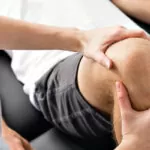

Injured on the Slopes? Physical Therapy Can Help

As winter kicks into gear, it’s time to pull out your skis and snowsuits and head to the mountains. Millions of Americans love to hit the slopes, and for good reason: skiing is an exhilarating way to exercise during the coldest, darkest part of the year.
Unfortunately, ski injuries can happen even to the most experienced skier. The most common skiing injuries by far are injuries to the ligaments in the knee–usually either the ACL (anterior cruciate ligament) or MCL (medial collateral ligament). At ProAction Physical Therapy, we can help address these injuries and provide guidance on preventing them.
Before you head up to your favorite ski resort this year, schedule an appointment to get into skiing shape. And if you do have an accident on the slope, we’re here to get you back on your feet.
To learn more, call to talk with our friendly staff today!
Recognizing Knee Ligament Tears on the Slopes
A knee ligament tear also goes by another, more common name: a knee sprain. Sprains can vary in severity depending on how much of the ligament is damaged:
- A mild sprain occurs when you overstretch the ligament, leading to tiny tears in the tissue. You’ll experience some tenderness and discomfort.
- A moderate sprain occurs when you partially tear the ligament, leading to pain and visible swelling.
- A severe sprain occurs when the ligament completely ruptures, leading to pain, significant swelling, and instability in your knee joint.
- ACL tears are the most common type of knee sprain among skiers. These injuries often result from abrupt pivoting, turning, or stopping–all common movements in both skiing and snowboarding. In addition to the symptoms above, you might hear an audible pop during your injury.
- MCL tears aren’t quite as common, but they still happen. This type of knee sprain generally occurs during a fall, a result of one leg falling on top of another. In fact, ski-related falls can also lead to other non-knee-related injuries, such as wrist fractures, shoulder injuries, or even head injuries.

How Physical Therapy Helps Resolve Skiing Injuries
Because most skiing injuries are orthopedic, physical therapy generally plays a role in rehabilitating them. Depending on the nature of your injury and its severity, you may have to undergo surgery–but in many cases, physical therapy alone is enough to get you back in skiing shape.
We’ll start with a comprehensive evaluation to help us better understand your rehabilitation needs, including running several movement screens to test your range of motion, strength, and balance. We’ll also talk to you about your injury and symptoms.
From there, we’ll develop a customized treatment plan to get you back to the activities you love. While each plan is different, they generally follow this approach:
- Manage pain and work on restoring mobility through manual therapy techniques and targeted stretches
- Restore strength in the muscles surrounding your knee to ensure you’re stabilizing and supporting your joint
- Work on any functional movements you might struggle with (such as improving balance)
- Provide a return-to-activity schedule so you can safely return to the activities that matter most
The Best Treatment for Skiing Injuries? Prevention!
Of course, one of the best ways to address a skiing injury is to prevent one from occurring in the first place, and ProAction Physical Therapy can help you with that, too. In fact, if you’re headed out to ski for the first time (or after a long time away), we suggest you visit us for a ski-focused checkup.
First, we’ll run a detailed assessment to pinpoint muscular weaknesses or imbalances, faulty biomechanics, or other issues that might put you at a higher risk of an injury on the slopes–including things you might not have considered!
Next, we’ll provide a tailored exercise program that addresses these concerns and helps you make the most of your vacation.
Finally, we can offer expert tips and tricks to keep you as safe as possible while you’re on the slopes, such as ensuring your equipment fits correctly and offering suggestions about which ski trails would be a good fit for your abilities.
We’re Here For You This Winter!
Don’t let a skiing injury ruin your new year. Call ProAction Physical Therapy to schedule an appointment for a check-up or learn more about your rehabilitation services!

Return to PT at ProAction Physical Therapy!
Miss feeling your best? Come back to ProAction Physical Therapy and let us help you get there—schedule your appointment today!

Share Your Success Story
Love your experience with ProAction Physical Therapy? Click the button to leave us a Google review—your feedback helps others find the care they need!
Follow Us on Social Media!

Tips for a Healthy Holiday Season
The holiday season is upon us, and getting wrapped up in the fun, festivities, and food is easy. While the joy of the season sparks a feeling of goodwill towards others, it’s also important to remember our physical well-being.
Keep yourself feeling your best to enjoy the holidays by following these three tips:
- Remember to Move: Prioritize exercise by taking a 20-minute brisk walk or doing a home workout. Movement can do wonders for your physical and mental well-being.
- Eat with Moderation: With tempting holiday treats all around, balance sweets with wholesome meals that include fruits, vegetables, and lean proteins.
- Mind Your Posture: Whether cooking, wrapping gifts, or working from home, being aware of your posture helps minimize back and neck pain.
Prioritizing your physical well-being helps you to be present and active in celebrating the holiday season with loved ones!
Here’s to a healthy, happy holiday season and a fantastic new year ahead!
Skip The Script!
Have you suffered from a recent injury?
Good news! Thanks to Direct Access you can now bypass obtaining a script from your physician and come directly to physical therapy.
Direct Access allows you to visit a physical therapist to seek treatment right away as many conditions can be successfully evaluated and treated without expensive medical tests.
Contact us directly here at ProAction PT
to get started today!
The Benefits of Choosing PT Over Surgery and Medication
Physical therapy at ProAction Physical Therapy is a cost-effective way to manage injuries and chronic conditions, as compared to the more expensive and invasive options of surgery and long-term medication use.
Cost Comparison: Physical Therapy vs. Surgery and Medication
While the immediate costs of physical therapy sessions might appear significant, they generally amount to much less than the combined expenses related to surgical interventions.
Surgery not only includes the cost of the procedure itself but may also include a hospital stay, post-operative care, and the rehabilitation process. These procedures also introduce risks such as possible infections, complications, and the need for additional surgeries if outcomes are not as expected. The recovery from surgery can extend over a long period, necessitating time away from work and accruing costs for follow-up treatments.
In contrast, managing a condition with medication might seem economically viable in the short term but can lead to considerable expenses over time. Medications typically address symptoms rather than the root cause and can result in side effects or dependency.
Key Benefits of Physical Therapy:
- Non-Invasive Treatment: Physical therapy focuses on enhancing mobility, reducing pain, and treating the underlying issues through exercises and treatments, avoiding the risks associated with surgery.
- Cost-Effective: Avoiding surgery and minimizing medication can lead to significant financial savings and better health outcomes.
- Preventative Care: Physical therapy can reduce the likelihood of conditions worsening to the point where expensive and invasive treatments become necessary.
Physical therapy at ProAction Physical Therapy not only aids in immediate recovery but also promotes long-term health, potentially saving patients from the high costs and risks associated with surgery and ongoing medication. By investing in physical therapy, individuals can enjoy a cost-effective path to recovery, emphasizing improved function and preventative care for a healthier future.
Gluten-Free Chocolate Ganache Tart
Ingredients:
- 1 cup shredded sweetened coconut
- 1 cup salted gluten-free pretzels, crushed into small pieces
- 1/2 cup rice flour
- 1/2 cup coconut oil, melted
- 3 Tbsp. brown sugar
- 2 Tbsp. unsweetened cocoa
- 1 cup coconut milk
- 6 oz. vegan dark chocolate, finely chopped
- Pomegranate seeds, for garnish (optional)

Directions:
Preheat oven to 375°F. Grease 9” tart pan with removable bottom. In large bowl, combine shredded coconut, pretzels, rice flour, coconut oil, sugar, and cocoa. Transfer to prepared tart pan. With hands, firmly press mixture into bottom and up side of pan in even layer; place on cookie sheet. Bake 10 minutes. Cool completely on wire rack. In small saucepan, heat coconut milk on medium until just bubbling at edges, whisking occasionally. Place chocolate and pinch salt in medium heatproof bowl. Pour hot coconut milk over chocolate. Let stand 5 minutes. Gently whisk until smooth. Pour into tart shell. Refrigerate, uncovered, 2 hours or until set. To serve, top with pomegranate seeds, if desired. Can be made up to 2 days ahead. Once set, cover with plastic and keep refrigerated.
Our Patients Get Great Results
“I searched for a place that could help my hunched, curved back be functional again. And to relieve the inevitable back ache by mid to end of day. Bill and Emily and their team changed my life.
I no longer have to sit every hour (after cooking, lifting, etc.) and am standing and walking as I did years ago. I feel, for the first time in a long time, youthful (I am 75).
All my incessant questions were answered and every complaint I had on performing a house maintenance chore was immediately addressed (that session!) with targeted exercises that would address exactly that. And it worked!
I could replicate 90% of exercises at home to build and maintain what I learned from this amazing team.
I cannot recommend enough because, in addition, everyone there made it such a positive and supportive environment. Truly a happy place to reset one’s life.”
– Elaine L.
Thank You for Subscribing to ProAction Physical Therapy
Refer a Friend

Our purpose at ProAction Physical Therapy is to leave a greater impact on the communities around us. In order to do that, we want to change as many lives as possible and become a beacon of positivity in our communities.
Do you have a friend or family member who could benefit from our pain-relieving services? At ProAction Physical Therapy, we love helping people achieve relief from pain and reach their full potential, thus making a difference in their lives.
If you know someone who could use our help, click the button below to fill out our form and we will send them information about how we may be able to help their condition. Be sure to let them know you referred them so they can thank you!