
Make A Strong Rotator Cuff Recovery with Physical Therapy

Don’t Skip Your Physical Therapy Appointments After A Rotator Cuff Injury – Here’s Why!
It is estimated that as many as 2 million adults are diagnosed with rotator cuff injuries every year in the United States. Up to 80% of those patients initially choose non-surgical treatments, like physical therapy, to repair and recover from the injury rather than undergoing a surgical procedure. Research suggests that approximately 90% of patients have positive outcomes and improved function with physical therapy, especially when the rotator cuff injury is identified and treated early.
The decision for surgical repair is typically based on factors such as the severity of the injury, the patient’s age and activity level, and their response to non-surgical treatments. Fortunately, physical therapy can help you prepare for surgery, promote healing, and improve your recovery, whether you have surgery or not.
Whether you need surgery or not, recover stronger than ever with physical therapy for rotator cuff injuries.
What is a Rotator Cuff Injury?
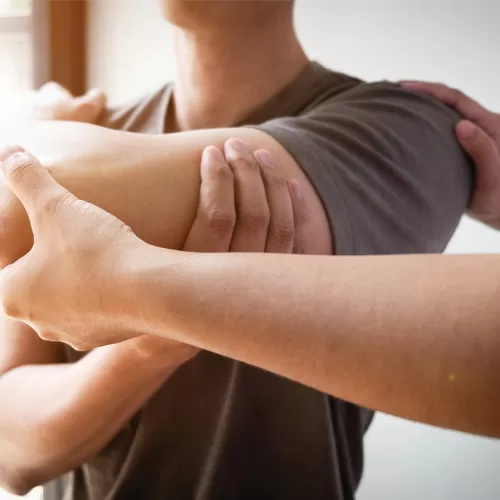
The rotator cuff is a group of muscles and tendons surrounding the shoulder joint that plays a significant role in the movement and stability of the joint. The muscles work together to stabilize the shoulder joint and facilitate various movements, such as lifting and rotating the arm.
Rotator cuff injuries can occur due to a variety of causes.
- Repetitive overhead motions
- Sudden trauma or injury
- Degeneration due to aging
Physical Therapy Before and After Rotator Cuff Repair Surgery
Considering rotator cuff surgery? Physical therapy can be your secret weapon for a smoother journey before and after the procedure.
Pre-Surgery Advantage:
Go into surgery stronger:
Build muscle strength and control around your shoulder for better support during healing.
Reduce pain and restore motion:
Physical therapists can use manual therapy techniques to minimize discomfort and improve range of motion.
Recover faster:
Stronger muscles translate to a quicker recovery and regaining full shoulder function.
Prepare mentally:
Understand what to expect post-surgery and gain strategies to optimize your recovery, boosting your confidence.
Post-Surgery Benefits:
Manage pain effectively:
Our therapists use a variety of manual techniques and modalities to keep pain at bay.
Regain lost motion:
Our team will help stretch and loosen any restrictions to restore your shoulder’s range of motion.
Rebuild strength:
Regain the strength you lost in your rotator cuff and supporting muscles.
Return to your life:
Physical therapy’s ultimate goal is to help you use your shoulder fully again, allowing you to perform daily activities without limitations.
Prevent future injuries:
Learn exercises to maintain strength and flexibility in your shoulder, reducing the risk of re-injury.
By incorporating physical therapy at ProAction Physical Therapy before and after surgery, you’re setting yourself up for a successful rotator cuff surgery experience!
Expectations from Physical Therapy for Rotator Cuff Rehabilitation
Whether you opt for surgery or not, physical therapy is often the primary approach for rotator cuff injury rehabilitation. Physical therapy sessions may include a combination of techniques to alleviate symptoms and promote healing.
- Manual therapy to reduce pain and help improve blood flow
- Stretching to improve/restore shoulder range of motion
- Strengthening exercises to build the muscles in and around the shoulder joint and shoulder blades
- Functional movements to restore normal use of the shoulder
Personalized Treatment with ProAction Physical Therapy
We begin every program with a detailed assessment of your health history and existing condition. Next, we conduct a comprehensive physical examination, including range of motion and strength testing. We’ll discuss your questions and concerns and set achievable goals for your recovery. You can expect a comprehensive therapy that includes:
- Emphasizing the importance of consistency with exercises to perform at home between sessions to maintain progress.
- Providing guidance on proper mechanics, posture, and techniques for activities involving the shoulder to prevent future injuries or re-injury of the rotator cuff.
- Preparing for a gradual reintroduction of activities and sports after recovery.
- Highlighting the significance of long-term maintenance through periodic check-ins, continued home exercises, and continuing a healthy lifestyle to maintain the strength and function of the rotator cuff.
A strong rotator cuff recovery with physical therapy involves a comprehensive approach that addresses pre and post-surgery needs or non-surgical treatment. With the guidance of our skilled physical therapists and your commitment to the rehabilitation process, you can regain shoulder function, mobility, and quality of life.
Early preparation and treatment are the keys to success, so give us a call today to schedule a consultation.
Return to PT at ProAction Physical Therapy!
Miss feeling your best? Come back to ProAction Physical Therapy and let us help you get there—schedule your appointment today!

Share Your Success Story
Love your experience with ProAction Physical Therapy? Click the button to leave us a Google review—your feedback helps others find the care they need!
Follow Us on Social Media!

Exercise & Mental Health
Everyone knows that regular exercise is good for the body. But exercise is also one of the most effective ways to improve your mental health. Regular exercise can have a profoundly positive impact on depression, anxiety, ADHD, and more. It also relieves stress, improves memory, helps you sleep better, and boosts overall mood. And you don’t have to be a fitness fanatic to reap the benefits. Research indicates that modest amounts of exercise can make a difference. No matter your age or fitness level, you can learn to use exercise as a powerful tool to feel better.
Exercise and depression. Maintaining an exercise schedule can prevent you from relapsing. It promotes all kinds of changes in the brain, including neural growth, reduced inflammation, and new activity patterns that promote feelings of calm and well-being. It also releases endorphins, powerful chemicals in your brain that energize your spirits and make you feel good. Exercise can also serve as a distraction, allowing you to find some quiet time to break out of the cycle of negative thoughts that feed depression.
Exercise and anxiety. Anything that gets you moving can help, but you’ll get a bigger benefit if you pay attention instead of zoning out. By adding this mindfulness element—really focusing on your body and how it feels as you exercise—you’ll not only improve your physical condition faster, but you may also be able to interrupt the flow of constant worries running through your head.
Exercise and ADHD. Exercising regularly is one of the easiest and most effective ways to reduce the symptoms of ADHD and improve concentration, motivation, memory, and mood. Physical activity immediately boosts the brain’s dopamine, norepinephrine, and serotonin levels—all of which affect focus and attention.
Exercise and PTSD and trauma. Evidence suggests that by really focusing on your body and how it feels as you exercise, you can actually help your nervous system become “unstuck” and begin to move out of the immobilization stress response that characterizes PTSD or trauma. Instead of thinking about other things, pay close attention to the physical sensations in your joints and muscles, even your insides as your body moves. Exercises that involve cross movement and that engage both arms and legs—such as walking (especially in sand), running, swimming, weight training, or dancing—are some of your best choices.
Outdoor activities like hiking, sailing, mountain biking, rock climbing, whitewater rafting, and skiing (downhill and cross-country) have also been shown to reduce the symptoms of PTSD.
When you’re under the cloud of an emotional disorder and haven’t exercised for a long time, setting yourself extravagant goals like completing a marathon or working out for an hour every morning will only leave you more despondent if you fall short. Better to set yourself achievable goals and build up from there.
Skip The Script!
Have you suffered from a recent injury?
Good news! Thanks to Direct Access you can now bypass obtaining a script from your physician and come directly to physical therapy.
Direct Access allows you to visit a physical therapist to seek treatment right away as many conditions can be successfully evaluated and treated without expensive medical tests.
Contact us directly here at ProAction PT
to get started today!
Service Spotlight: Joint Mobilization
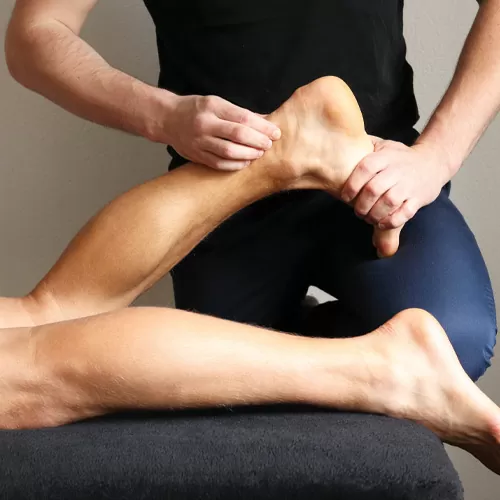
Joint mobilization is a highly effective, hands-on physical therapy technique designed to restore movement, reduce pain, and improve joint function, yet many patients are unaware of its benefits. At ProAction Physical Therapy in Lansdale, PA, our skilled therapists use precise, controlled movements—applied by hand or with specialized tools—to help joints move more freely and comfortably.
Your joint mobilization journey begins with a thorough evaluation to assess range of motion, posture, balance, pain levels, tissue tension, and medical history. Based on these findings, we create a personalized treatment plan that may include joint mobilization along with therapeutic exercises, postural training, and neuromuscular retraining to enhance results and prevent recurring discomfort.
Joint mobilization can be helpful for many conditions caused by stiffness, misalignment, or irritation from injury, overuse, poor posture, or age-related wear and tear. Conditions commonly treated include arthritis, frozen shoulder, tennis or golfer’s elbow, spinal joint restrictions, whiplash, ankle sprains, rotator cuff injuries, and nerve impingements such as sciatica.
With hundreds of joints in the body working together for stability and mobility, proper joint function is essential for pain-free movement. Joint mobilization can reduce pain, improve range of motion, and enhance joint mechanics—often providing drug-free relief and helping you return to daily activities with confidence.
The Importance of Home Exercises for Recovery
Home exercises prescribed by your physical therapist play a crucial role in the recovery process for various musculoskeletal injuries and conditions. Studies show that consistent adherence to home exercise programs significantly improves functional outcomes and reduces the risk of re-injury.
With rotator cuff injuries, patients who diligently followed their prescribed home exercise regimen experienced better shoulder function and decreased pain levels compared to those who were less compliant.
Positive mental health is a big part of a successful recovery. Active participation in home exercises can provide patients with a sense of empowerment and ownership over their recovery journey. When patients take an active role in their rehabilitation, it fosters a positive mindset and motivation towards achieving their goals.
Our PTs will educate you on the proper technique for each prescribed exercise so you can optimize your recovery without missing a beat.

Best St. Patrick’s Day Crock Pot Irish Stew
Ingredients:
- 2 lbs beef chuck roast, cubed
- 2 large potatoes, peeled and diced
- 2 cups diced carrots
- 1 envelope onion soup mix
- 2 (10¾ oz) cans tomato soup
- 1 soup can water
- 16 oz frozen peas
- salt and pepper, to taste
- parsley, for garnish

Directions:
- Combine beef, potatoes, carrots, soup mix, tomato soup, can of water, salt and pepper in Crock Pot.
- Cook on LOW 8 hours.
- Add frozen peas and ¼ cup water.
- Cook on LOW 1 additional hour.
- Garnish with parsley.
Thank You for Subscribing to ProAction Physical Therapy
Refer a Friend

Our purpose at ProAction Physical Therapy is to leave a greater impact on the communities around us. In order to do that, we want to change as many lives as possible and become a beacon of positivity in our communities.
Do you have a friend or family member who could benefit from our pain-relieving services? At ProAction Physical Therapy, we love helping people achieve relief from pain and reach their full potential, thus making a difference in their lives.
If you know someone who could use our help, click the button below to fill out our form and we will send them information about how we may be able to help their condition. Be sure to let them know you referred them so they can thank you!