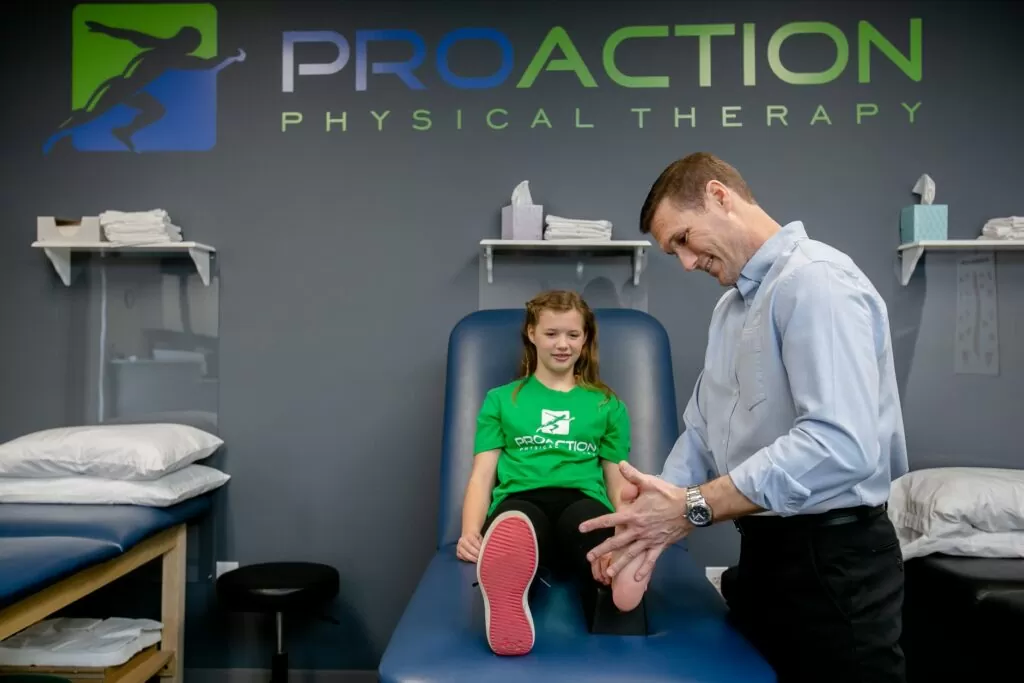
Have you ever woken up to a stabbing in your heel? Do you find it difficult to stand for long periods due to pain in the bottom of your foot? There’s a good chance you’ve developed plantar fasciitis. However, the team at ProAction Physical Therapy can help you manage plantar fasciitis pain by addressing its underlying factors and creating a personalized care program.
Plantar Fasciitis: An In-Depth Overview
Plantar fasciitis occurs when the plantar fascia—a thick band of tissue running along the bottom of your foot—degenerates or becomes otherwise damaged.
This tissue supports the arch of your foot and absorbs shock when you walk, run, or stand. When it’s overworked or strained, tiny tears develop, leading to pain and stiffness, especially in the morning or after inactivity.
What Causes Plantar Fasciitis Damage?
Overuse
- Overuse, such as long periods of standing on hard surfaces without proper support, is a prevalent cause of plantar fasciitis pain. Another thing to watch out for is a rapid increase in exercise intensity (like picking up a new running routine after a period of being sedentary).
Poor Foot Mechanics
- Several factors can cause you to develop improper foot mechanics, such as flat feet, high arches, or uneven weight distribution when walking or running. Sometimes, poor foot mechanics develop due to tightness in the calf muscles or Achilles tendon, too.
Improper Footwear
- Wearing unsupportive shoes, such as flip-flops or worn-out sneakers, can increase strain on the plantar fascia. High heels can also contribute to plantar fasciitis by shortening the Achilles tendon, leading to imbalances that contribute to pain.
How Physical Therapy Can Help You Find Lasting Relief
If plantar fasciitis pain is interfering with your daily life, physical therapy offers a proven, non-invasive approach to recovery. Our PTs will create a personalized treatment plan to address the root cause of your pain and help prevent it from returning. Here’s what you can expect:
Manual Therapy
- These hands-on techniques help break up adhesions and improve circulation to promote healing. They can also reduce stiffness and restore normal movement, which helps to ease pain.
Therapeutic Exercise
- We’ll guide you through calf and foot stretches to improve your foot’s mobility and relieve tension on the plantar fascia. Targeted strengthening exercises for the foot and lower leg enhance stability and reduce strain.
Gait and Posture Analysis
- We can assess your walking pattern and recommend personalized adjustments to reduce stress on your feet. In some cases, we might also recommend custom orthotics or supportive footwear.
Take the First Step Toward Pain-Free Movement
Ignoring plantar fasciitis pain can lead to chronic discomfort and long-term mobility issues. The sooner you address it, the faster you’ll be on the road to recovery. At ProAction Physical Therapy, our physical therapists specialize in treating foot pain and helping you move comfortably again.
Don’t let plantar fasciitis hold you back—schedule an appointment today and start your journey toward lasting relief!
Tags: pain management, arch support tips, foot pain solutions, physical therapy insights