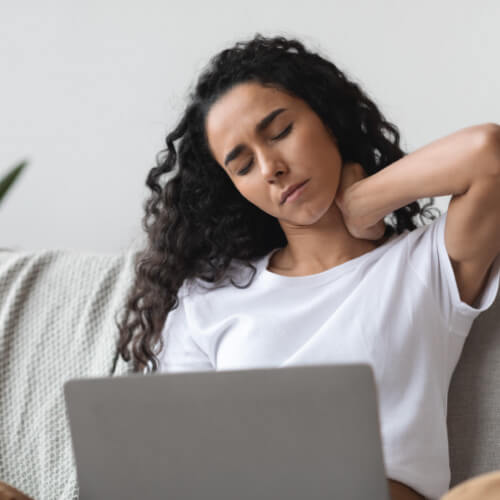
The Surprising Link Between Neck and Lower Back Pain
If you’ve never sprained your ankle yourself, you almost certainly know someone who has: ankle sprains are one of the most common orthopedic injuries, accounting for 15% of all sports injuries.
While most people see ankle sprains as minor injuries (think about all those movies where someone’s relieved an injury is an ankle sprain, not a broken bone), they still require care. Physical therapy is essential in creating the right environment for your ankle to heal, which can facilitate the process and help prevent future injuries.
If you’ve ever dealt with nagging neck pain, your lower back was probably the last thing you were thinking about–and vice versa. But if you’ve ever experienced both at once, you might have started wondering if they could be linked.
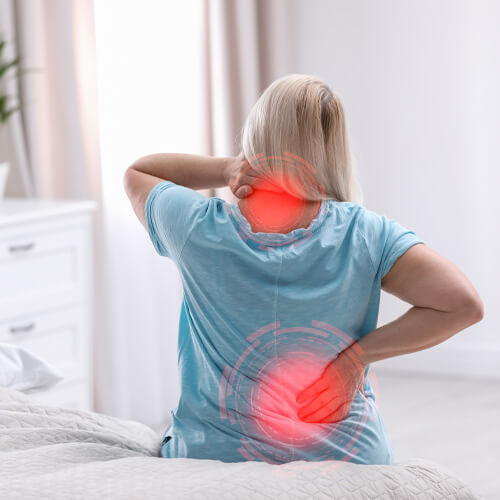
Well, your hunch was correct: Neck pain and lower back pain are often interconnected. The human body is a marvel of connectivity, where different parts support and affect each other. That’s why the physical therapists at ProAction Physical Therapy take a whole-body approach to your care. We’ll figure out where the underlying issue is actually located and work with you to address it directly.
Understanding the connection between neck pain and lower back pain can help you feel better in the long run.

Exploring the Neck and Lower Back Connection
Imagine you’re holding a chain, trying to tug it forward. Unbeknownst to you, however, the opposite end of that chain has gotten caught on a hook. No matter how hard you pull, you won’t be able to move the other end of the chain.
Your spine is a lot like that chain. Each vertebra is a link that depends on the others to maintain strength and balance. So, when one part of your spine is out of line, it can impact other parts. Here’s an example using poor posture, one of the most common culprits behind both neck and lower back pain:
Slouching, Compensations, and Interconnected Pain
Your spine is surrounded by muscles that work to support and stabilize it. When you slouch, constantly look down at a mobile device, or sit for too long without taking breaks, you can strain these muscles. Your body then responds to this strain by compensating elsewhere along the chain.
For example, when muscles in the lower back are strained or weakened, the upper back and neck muscles have to do extra work to compensate. Similarly, tension in the neck can lead to adjustments in posture that strain the lower back.
So what does this mean? Let’s say you spend a lot of time at your desk, putting strain on your lower back. Your body then moves further up your back to compensate for the weakness there, placing stress on your neck. As a result, you’re now dealing with lower back pain and neck pain.
This cycle of compensation and strain highlights the importance of treating the body as a whole.
How Our Physical Therapists Can Help You Find Relief
The team at ProAction Physical Therapy is highly trained to find the root causes of your discomfort. We start with a whole-body assessment to determine the specific areas of concern, then use targeted therapies to develop a customized treatment program.
With these treatments, our physical therapists aim to provide a comprehensive approach to managing and alleviating neck and lower back pain. Our ultimate goal is to empower our patients with the knowledge and skills they need for a healthier, more active lifestyle free from pain.
Treatment Techniques We Might Suggest
Postural Awareness
One of the first steps to breaking the cycle is understanding how your posture affects your body. Our PTs will teach you to recognize and correct poor postures, whether you’re sitting, standing, or moving, to reduce strain on your neck and lower back. We’ll work on:
Body mechanics
to understand how to make conscious postural adjustments in daily life.
Personalized workplace ergonomics
including proper workstation setup and tips for maintaining your ideal posture.
Forming long-term habits
to prevent pain and strain from returning.
Manual Therapy
This hands-on approach helps to relax tense muscles, improve blood flow, and mobilize joints. By addressing specific areas of pain and stiffness, manual therapy can provide immediate relief and encourage the body’s natural healing process.
Targeted Exercises
Strengthening and stretching exercises tailored to your needs can alleviate pressure on the spine, improve strength and mobility, and help support your spinal alignment. These exercises help alleviate current pain and prevent future issues by building a stronger, more resilient body.
Book an Appointment at ProAction Physical Therapy Today!
Don’t let poor posture and muscle strain create a domino effect. Let’s work together to strengthen your body’s chain and ensure each link is as strong and balanced as possible. Remember, a healthy posture and muscle strength are your best allies in the fight against pain.
Return to PT at ProAction Physical Therapy!
Miss feeling your best? Come back to ProAction Physical Therapy and let us help you get there—schedule your appointment today!

Share Your Success Story
Love your experience with ProAction Physical Therapy? Click the button to leave us a Google review—your feedback helps others find the care they need!
Follow Us on Social Media!
🦴 Neck & Lower Back Pain: Myth or Fact?
Test your knowledge about posture, spinal health, and the connection between neck and back pain!
Service Spotlight:
Ergonomic Training
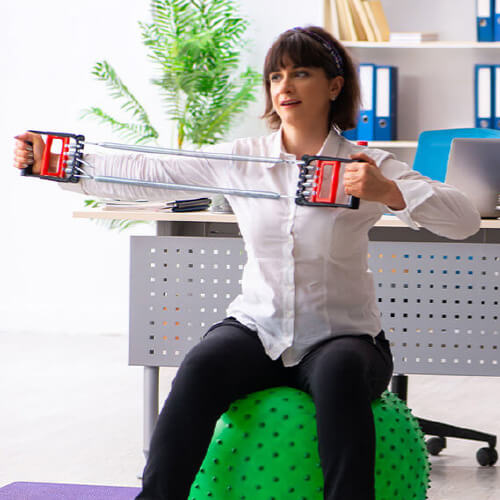
Have you ever heard of ergonomic training? Ergonomics focuses on improving the way you move and interact with your environment to reduce strain and discomfort. At ProAction Physical Therapy, our therapists can identify everyday habits, poor posture, or workspace issues that may be contributing to your pain and recommend simple changes to help you move more comfortably.
Poor ergonomics can lead to common problems like neck and back pain, carpal tunnel syndrome, tendonitis, tension headaches, and shoulder injuries. Whether you’re working at a desk, driving, playing sports, or using your phone, making small adjustments to your posture and body mechanics can help reduce your risk of injury and improve your overall comfort.
During an ergonomic evaluation, your physical therapist will assess your posture, movement patterns, work or home setup, and daily activities. Based on your needs, we’ll recommend practical solutions such as adjusting your workstation, improving lifting techniques, taking regular movement breaks, or using supportive equipment when appropriate.
Ergonomic training is often combined with personalized physical therapy treatments—including targeted exercises, stretching, manual therapy, and other evidence-based techniques—to relieve pain, prevent future injuries, and help you stay active. Contact ProAction Physical Therapy today to learn how ergonomic improvements can help you feel your best every day.
Skip The Script!
Have you suffered from a recent injury?
Good news! Thanks to Direct Access you can now bypass obtaining a script from your physician and come directly to physical therapy.
Direct Access allows you to visit a physical therapist to seek treatment right away as many conditions can be successfully evaluated and treated without expensive medical tests.
Contact us directly here at ProAction PT
to get started today!
The Importance of Postural Awareness
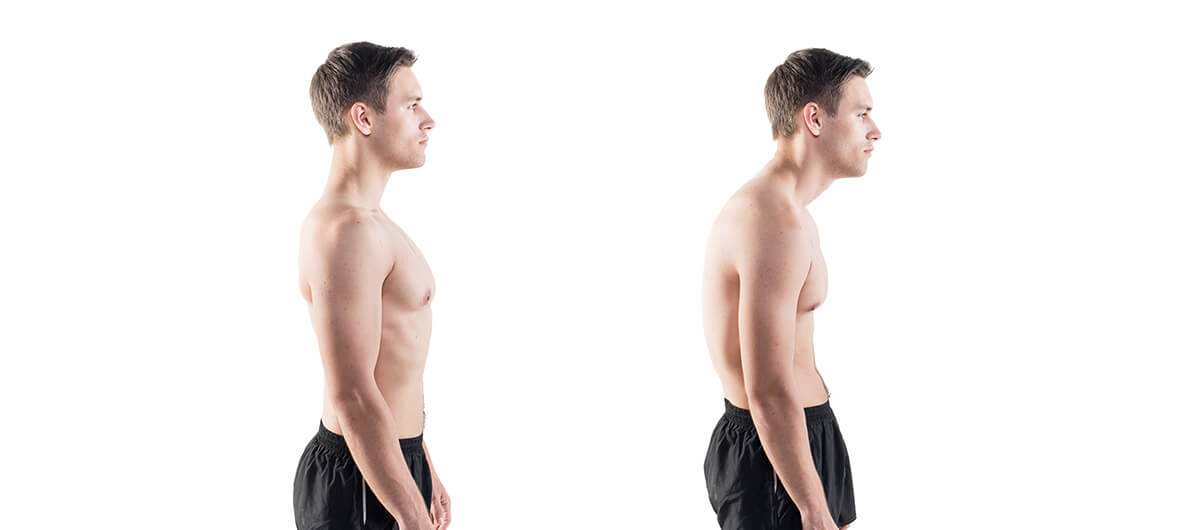
Postural awareness is one of your best tools against spinal pain. However, it’s not just “standing up straight.” Instead, it’s about being mindful of and actively maintaining proper body alignment while sitting, standing, or engaging in various activities throughout the day. It involves understanding how your body should ideally align to prevent strain, discomfort, and potential long-term health issues.
What Is Postural Awareness?
Postural awareness involves being mindful of your body’s alignment while sitting, standing, exercising, and moving throughout the day. Recognizing poor habits early can help prevent pain and long-term spinal issues.
Why Posture Matters
Poor posture can place added stress on the muscles, joints, and spine. Over time, habits like slouching or prolonged sitting can contribute to neck pain, back pain, and muscle fatigue.
Ergonomics & Daily Habits
Your environment plays an important role in posture. Proper chair height, workstation setup, and device positioning can make it easier to maintain healthier alignment throughout the day.
Strengthen Your Support System
Core strengthening exercises help build the muscles that support your spine. A stronger foundation can improve posture, movement efficiency, and overall comfort.
ProAction Physical Therapy Posture Tips
- Check your body alignment regularly when sitting or standing for long periods.
- Keep your feet flat on the floor and your knees positioned at approximately a 90-degree angle when seated.
- Take movement breaks throughout the day to stretch, walk, and reduce muscle tension.
- Position electronic devices at eye level to avoid unnecessary neck strain.
- Incorporate exercises that strengthen the muscles supporting your spine.
Ready to Improve Your Posture?
Better posture starts with awareness, but lasting change comes from understanding your body’s specific needs. If you’re experiencing neck pain, back pain, stiffness, or difficulty maintaining proper alignment, the team at ProAction Physical Therapy can help create a personalized plan to improve your movement and comfort. Schedule an appointment today and take the first step toward healthier posture.
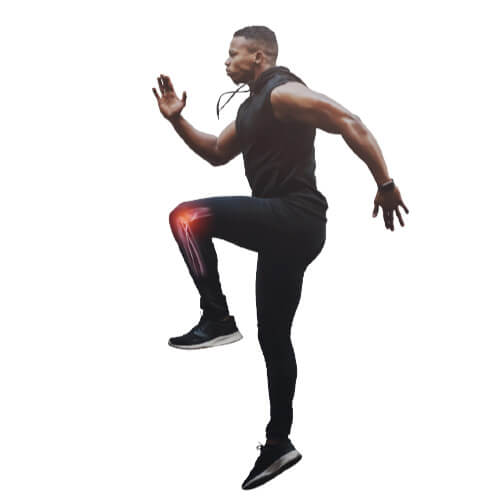
Get Game-Ready for the Upcoming Fall Sports Season
As summer winds down, athletes and weekend warriors look forward to the start of the fall sports season. Whatever sport you are getting ready for, preparing your body is essential.
Start the season injury-free and in peak form with these tips:
- Sports Screening: Consider getting a biomechanical assessment to provide insights into your posture, gait, and body mechanics, helping you tweak your training for better performance and lower injury risk.
- Sport-Specific Conditioning: Prepare your body for the unique demands of your chosen sport. Different sports use different muscle groups, so tailor your workouts accordingly.
- Prioritize Recovery: Getting proper rest (sleep) is a critical but often overlooked aspect of physical training. Incorporating foam rolling can help muscles recover and prevent overuse injuries. Investing time and effort in your recovery can significantly impact your performance on the field.
By integrating these tips, you’ll be well-equipped to tackle the challenges of the fall sports season while minimizing your risk of injury.
Here’s to a successful and injury-free sports season!

Ingredients
- 1 pound strawberries, washed and stems removed
- 1 large ripe banana
- 1/2 cup vanilla yogurt
- 1/2 cup milk
- Sugar to taste (optional)
Directions
- Add the strawberries, banana, milk, and vanilla yogurt to a blender or food processor.
- Blend until completely smooth.
- Taste and add sugar if desired depending on fruit sweetness.
- Pour mixture into popsicle molds or paper cups.
- Insert popsicle sticks or handles.
- Freeze until completely firm, preferably overnight.
- Enjoy your refreshing homemade popsicles the next day!

Thank You for Subscribing to ProAction Physical Therapy
Refer a Friend

Our purpose at ProAction Physical Therapy is to leave a greater impact on the communities around us. In order to do that, we want to change as many lives as possible and become a beacon of positivity in our communities.
Do you have a friend or family member who could benefit from our pain-relieving services? At ProAction Physical Therapy, we love helping people achieve relief from pain and reach their full potential, thus making a difference in their lives.
If you know someone who could use our help, click the button below to fill out our form and we will send them information about how we may be able to help their condition. Be sure to let them know you referred them so they can thank you!