
Looking for Headache Relief? Try Physical Therapy

We’ve all had them, and we all hate them: headaches are an easy way to ruin your day. Headaches and migraines are widespread and can develop for several different causes. Sometimes, those causes stem from musculoskeletal issues. In those cases, physical therapy at ProAction Physical Therapy can help you find relief.
Are you struggling with persistent headaches? Have you tried everything and still aren’t sure what to do to get them under control? Give us a call. We can assess your headache, help identify triggers, and, in many cases, offer pain relief through manual therapy techniques.
Not All Headaches Are the Same: Deciphering Your Symptoms
One of the reasons addressing headaches can be so difficult is that you need to determine the type of headache you have and its specific cause before you can find the right treatment. Our physical therapists can help with this process by performing a comprehensive evaluation of symptoms and potential triggers.
When you visit us, try to be as descriptive as possible about your headache. Here are some questions to keep in mind:
- Where do you feel your pain? Is it a tight band around your head? Is it behind one eye?
- Did the pain start in a different location (such as your neck) before moving into your head?
- How does the pain feel? Is it throbbing? Dull?
- What were you doing when the headache started?
- If you get frequent headaches, what patterns have you noticed? (For example, maybe you get headaches when you skip breakfast.)
- Are your headaches accompanied by other symptoms, such as nausea or light sensitivity?
In addition to reviewing your symptoms, our PTs might ask you to perform simple movement screens to evaluate your posture or to test the range of motion in your neck. We’ll also ask about any injuries you have suffered to your head, neck, or jaw.
All this information helps us better identify your headache and your options for treating it.
What We Can Do to Help You Find Lasting Headache Relief
Physical therapy is an excellent choice for addressing a specific type of headache: cervicogenic headaches.
Cervicogenic headaches develop due to issues in the neck. They’re a type of referred pain in which the problem in your neck causes pain in your head, usually radiating up the back of your head to the area around your temple, eye, and ear.
Different things can cause cervicogenic headaches, including poor posture, neck injuries, or degenerative conditions in the cervical spine.
If we determine you’re suffering from a cervicogenic headache, we’ll develop a customized plan to manage your headache pain and address the underlying cause. Techniques we might use include the following:
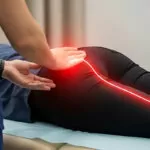
- Manual therapy techniques to mobilize the neck joint and manipulate the neck’s soft tissue
- Stretches to relieve tension and improve mobility in the neck and shoulders
- Strengthening exercises for your neck, upper back, and shoulders to provide additional support and stability
- Postural corrections to keep your entire spine in alignment
What About Other Types of Headaches?
Of course, we may discover you’re suffering from another headache type. In these cases, we may not be able to resolve the underlying cause of your headache (if there is one), but we can help you understand your headache better.
For example, many headaches have specific triggers. Migraines are notorious for this; people can develop migraines due to changes in their sleep schedule, eating certain foods, smelling certain scents, and more. Thanks to our comprehensive assessment, our PTs can help you better identify potential triggers and, if necessary, refer you to another specialist for treatment.
We might also be able to help with acute pain relief. Myofascial release and trigger point therapy are two manual therapy techniques that involve working out restrictions in your myofascia, a band of connective tissue that wraps around your muscles. There’s some evidence that myofascial release can help manage pain from migraines or tension-type headaches (another common headache type).
So, while these techniques might not resolve your pain, they offer a drug-free alternative to pain management.
Get Started with Headache Relief Today
If your headache has you at your wits’ end, schedule an appointment with ProAction Physical Therapy. We’ll review your symptoms, help you better understand the potential cause of your headache, and help you find a treatment plan that works for you.
Understanding the Different Types of Headaches

So, what are the different types of headaches, anyway?
That’s a surprisingly tricky question, as there are over 150 different ones! Experts generally classify them into different categories based on whether or not they are primary (no underlying medical condition) or secondary (stemming from an underlying condition).
Here are some common ones.
Primary Headaches
- Migraine: Migraines cause recurring attacks, lasting 4 hours to 3 days, of throbbing or pulsing pain on one side of the head, plus additional symptoms like light or noise sensitivity or nausea.
- Tension: These headaches develop due to contracting neck, face, or jaw muscles. You’ll usually feel them as pressure on both sides of your head.
- Cluster: This type causes extremely painful, migraine-like headaches that occur around the same time for several weeks (i.e., in a cluster).
Secondary Headaches
- Sinus: A sinus headache occurs due to inflammation of your sinuses, which is where you’ll feel the pressure-like pain—in your cheeks, brow, or forehead.
- Cervicogenic: Because these headaches develop due to an underlying issue in the neck, they’re considered secondary headaches.
Not sure what type of headache you’re dealing with? Call ProAction Physical Therapy to schedule an appointment — we’ll review your symptoms and help you get to the bottom of it!
Innovative Approaches to Physical Wellness this Thanksgiving Season
Thanksgiving is more than just a day of feasting; it’s a time to come together and celebrate what we’re thankful for. While traditional advice often emphasizes the basics, let’s elevate your approach to physical well-being this season with these cutting-edge tips:
- Dynamic Warm-Up Before the Turkey Trot: If you’re planning a Thanksgiving morning run or family games, forget old-school stretching. Use a dynamic warm-up to prep your muscles and boost your range of motion.
- Text Neck Prevention: As we catch up on social media or text friends and family Thanksgiving wishes, “text neck” can be a real issue. Counteract this by sitting tall or not at all and doing neck stretches every hour.
- Mindfulness Through Movement: Instead of sitting to meditate or relax, try combining mindfulness with gentle movements like Tai Chi or a light stroll through the neighborhood.
Embrace your health by prioritizing your physical and mental well-being to ensure you have the best Thanksgiving yet! 🦃

Leave Us a Review
Had a great experience at ProAction Physical Therapy? Your feedback helps other patients in our community find the personalized care they’re looking for.
Follow Us On Social Media
Follow along for recovery tips, patient success stories, and updates from the ProAction Physical Therapy team.
How Much Do You Know About Headaches?
See how much you picked up from the articles above — then put it into practice!
Double Knees to Chest
Targets: Lower Back & Hips
Start on your back with your knees bent. Slowly bring both knees to your chest. Grasp your knees. Hold for 30 seconds and repeat.
As always, stop and check in with your therapist if an exercise causes pain beyond normal muscle effort.

Don’t Leave Your Benefits Behind
As the year comes to a close, now is the perfect time to review your health insurance benefits. If you have already met your deductible, you may have an opportunity to receive physical therapy care at a lower out-of-pocket cost before your plan resets.
At ProAction Physical Therapy, our team can help you understand your coverage and make sure you maximize the benefits you’ve already earned.
Check Your Benefits
Find out whether your deductible has been met and understand what coverage remains available before the end of the year.
Schedule Your Care
Use your remaining benefits to continue treatment, recover from injuries, or address pain that has been holding you back.
Start The New Year Strong
Take action now so you can enter the new year feeling healthier, stronger, and ready for your goals.
Ready To Use Your Benefits?
Our team can verify your insurance benefits and help you schedule your next appointment before the year ends.

Posture / Lifting Mechanics Training
Find the root of your postural issues and get back to moving comfortably.
Could Your Posture Be the Reason for Your Aches and Pains?
If you experience daily or recurring aches and pains, your posture could be to blame — especially after long hours at a computer, hunched over a desk, or looking down at your phone.
Contact ProAction Physical Therapy in Lansdale, PA today to help identify the root of your postural issues!
Poor Posture Can Create a Cycle of Pain
Poor posture can shift your center of gravity, weaken your balance, and create a cycle of compensation and pain. Lower back pain is the most common symptom, and long-term strain may increase the risk of spinal arthritis.
How Does Poor Posture Affect Me?
Forward Head Tilt
Strains the neck and can contribute to neck, shoulder, arm, and lower back pain, plus chronic headaches.
Mid-Back Slouching
Can misalign the ribs and cause mid-back and neck pain.
Prolonged Sitting
Stiffens the hip and leg muscles, which pull on the lower back and reduce joint mobility. This can affect the way you walk.
How Can I Improve My Posture?
Sit Properly
Sit upright with your feet flat, avoid crossing your legs, leave a small gap behind your knees, and use a chair with good back support.
Take Stretch Breaks
Stand and walk for a minute or two about every 30 minutes.
Exercise
Regular activity, even brief daily walks, helps strengthen and stretch key muscles.
Set Up Your Workspace
Adjust your desk chair and monitor height and use lumbar support to avoid slouching or leaning forward.
Get Help With Physical Therapy
If self-care doesn’t help, consult a physical therapist early, regardless of how severe your symptoms are. Your therapist will evaluate your posture and gait and design a personalized treatment plan for you.
Maple-Roasted Sweet Potato & Kale Harvest Bowls

Cozy, colorful, and full of fall flavor, these harvest bowls pair maple-roasted sweet potatoes with hearty kale, quinoa, and crunchy pecans — a satisfying way to enjoy the season’s best produce.
Ingredients
- 2 large sweet potatoes, peeled and cut into ¾-inch cubes
- 3 tbsp olive oil, divided
- 2 tbsp pure maple syrup
- ½ tsp ground cinnamon
- ½ tsp salt, plus more to taste
- 1 cup uncooked quinoa, rinsed
- 1 bunch kale, stems removed and leaves chopped
- 1 can (15 oz) chickpeas, drained and rinsed
- ¼ cup chopped pecans, toasted
- 3 tbsp tahini
- 2 tbsp lemon juice
- 2–3 tbsp warm water, to thin
Instructions
- Preheat oven to 425°F (220°C) and line a baking sheet with parchment paper.
- Toss the sweet potatoes with 2 tbsp olive oil, maple syrup, cinnamon, and salt. Spread in a single layer and roast for 25–30 minutes, flipping halfway, until tender and caramelized.
- Meanwhile, cook the quinoa according to package directions.
- Massage the kale with the remaining 1 tbsp olive oil and a pinch of salt until softened, about 1 minute.
- Whisk together the tahini, lemon juice, and warm water until smooth and pourable.
- Divide the quinoa and kale among four bowls. Top with roasted sweet potatoes, chickpeas, and pecans, then drizzle with the tahini dressing.
Giving Thanks: Word Scramble
Unscramble the Thanksgiving & headache-relief themed words below. Click “New Word” any time to keep playing!
Score: 0
This Thanksgiving, Share the Gift of Feeling Better.
As we gather with family and friends this season, chances are someone at the table is still living with pain that’s holding them back. Our mission goes beyond the walls of our clinic — we want to be a source of relief and positivity throughout our community, and you could be the reason a loved one finally gets the help they need.
At ProAction Physical Therapy, we treat every referral like the compliment it is. Fill out the quick form below and we’ll reach out to your friend or family member directly with information on how we can help their specific condition.
Just be sure to tell them you sent us their way — they’ll want to thank you personally!

Happy Thanksgiving from Our Family to Yours!
From all of us at ProAction Physical Therapy, we wish you and your loved ones a warm and happy Thanksgiving filled with good food, good company, and plenty to be thankful for. Thank you for trusting us with your care — it’s a privilege to be part of your health journey.